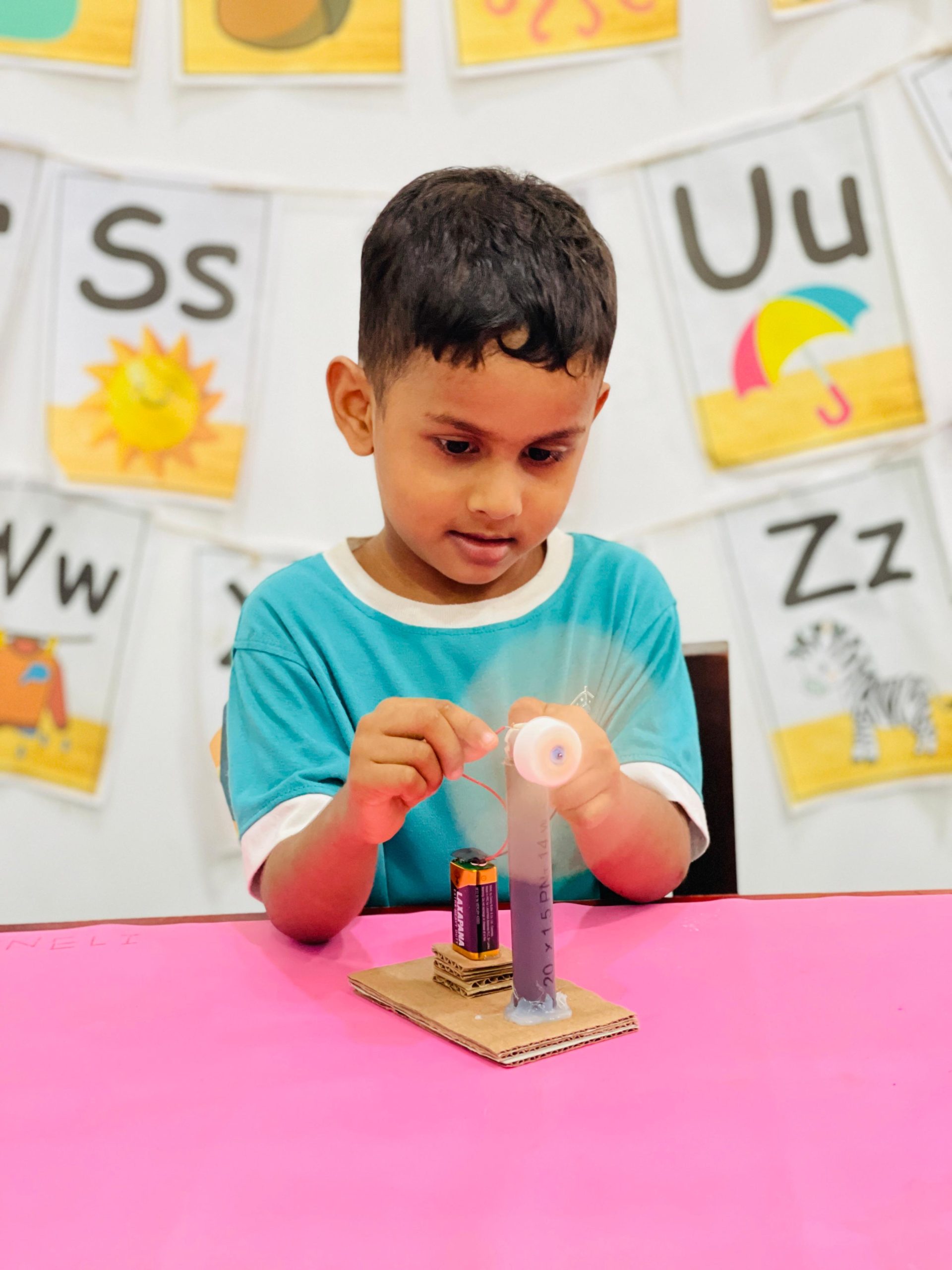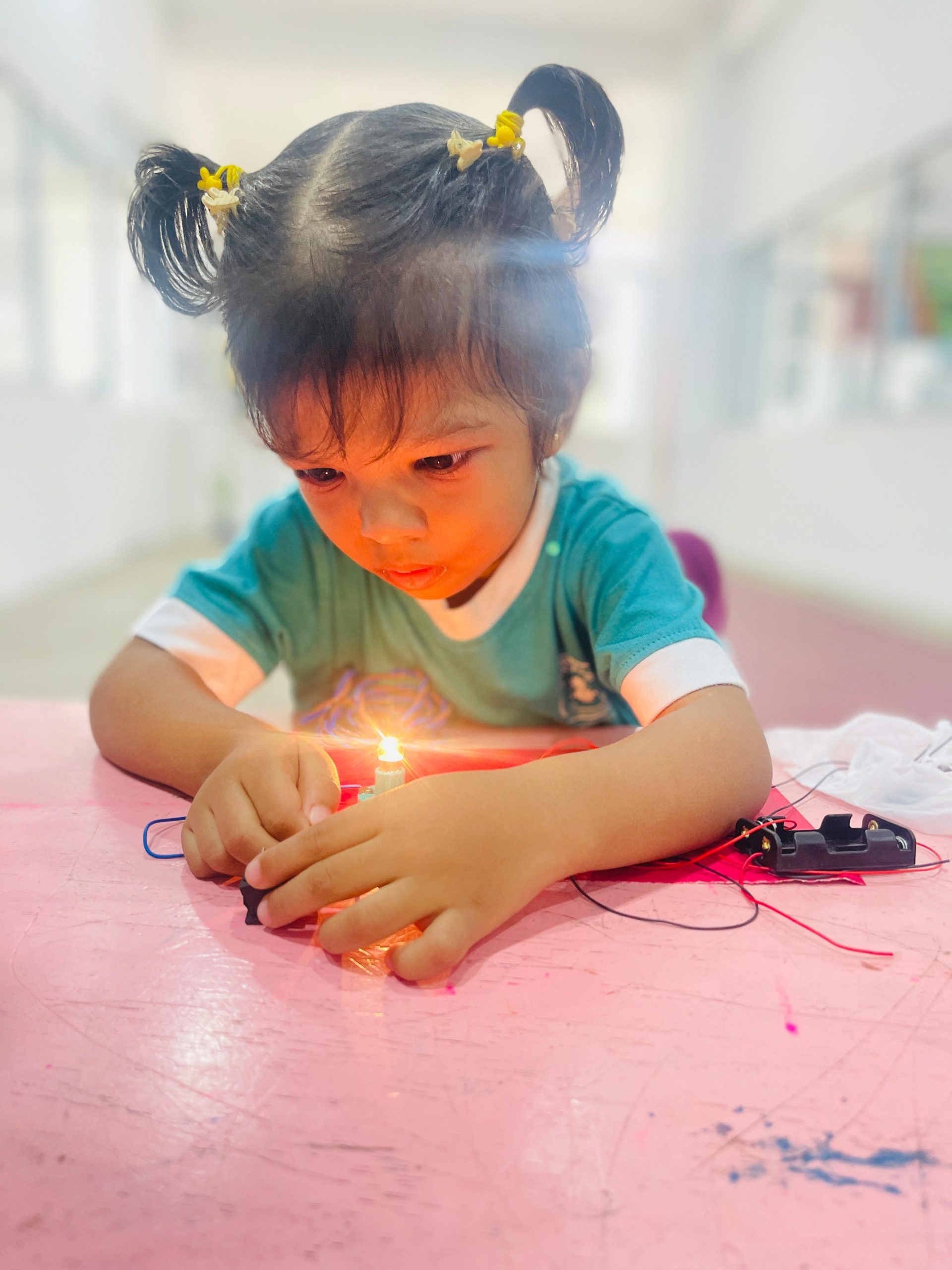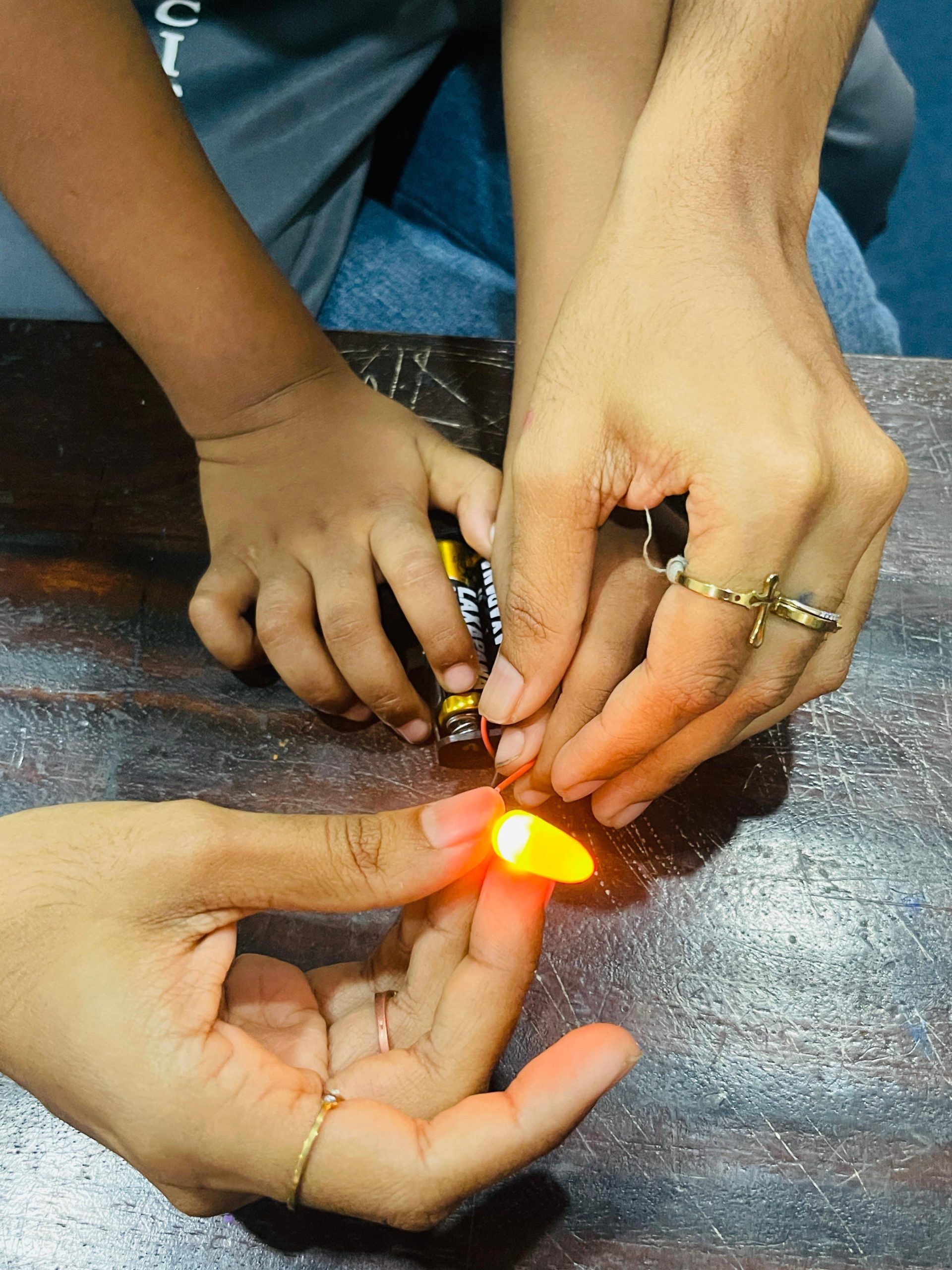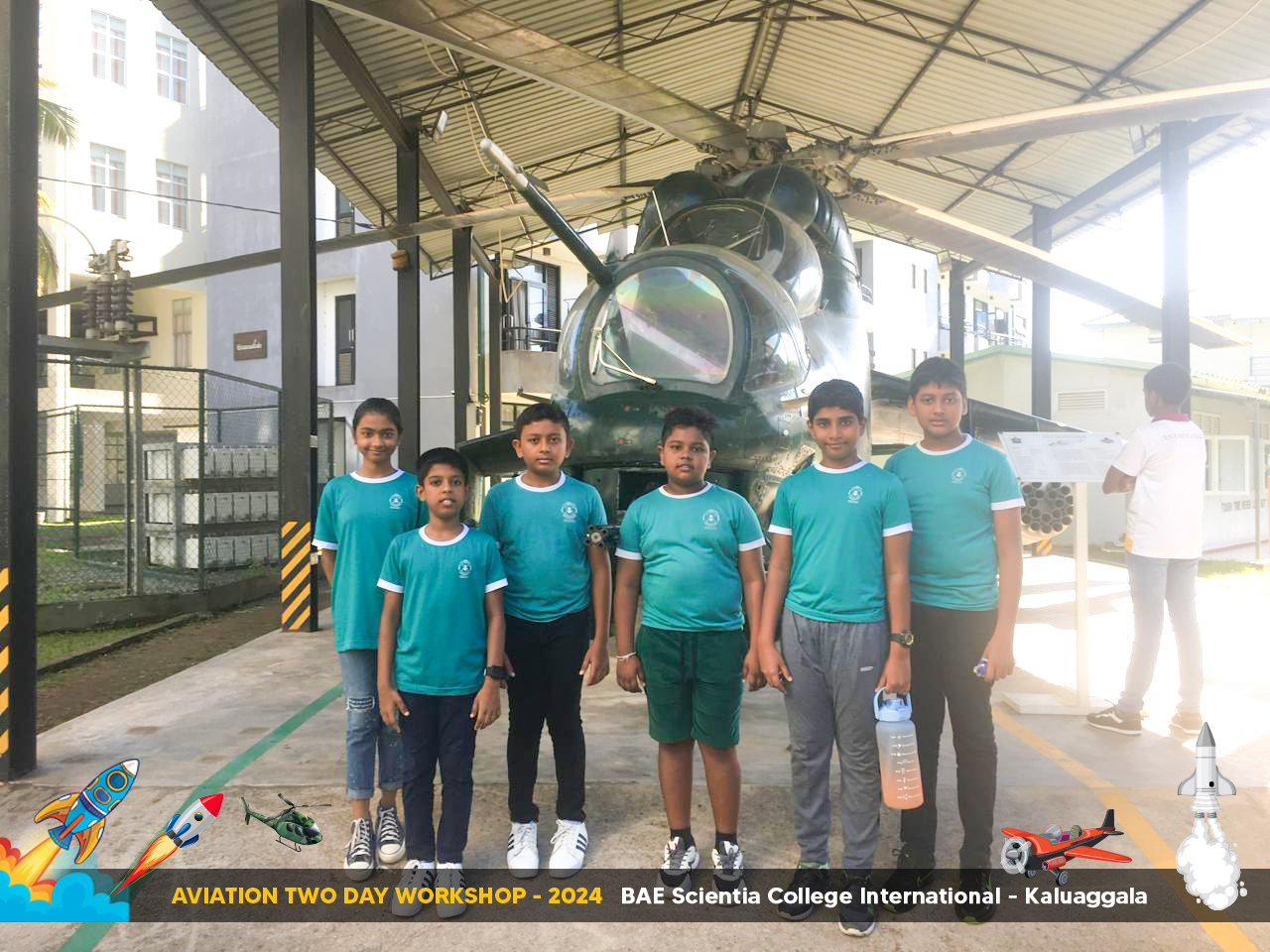
The future of education isn’t about memorizing facts, it’s about nurturing curiosity and helping children make sense of the world around them. When young thinkers ask big questions, we don’t just give them answers, we guide them to explore, experiment, and discover on their own. Whether it’s sharing ideas in a group or figuring out why the sky changes colors, learning is about building confidence, independence, and a love for asking questions.
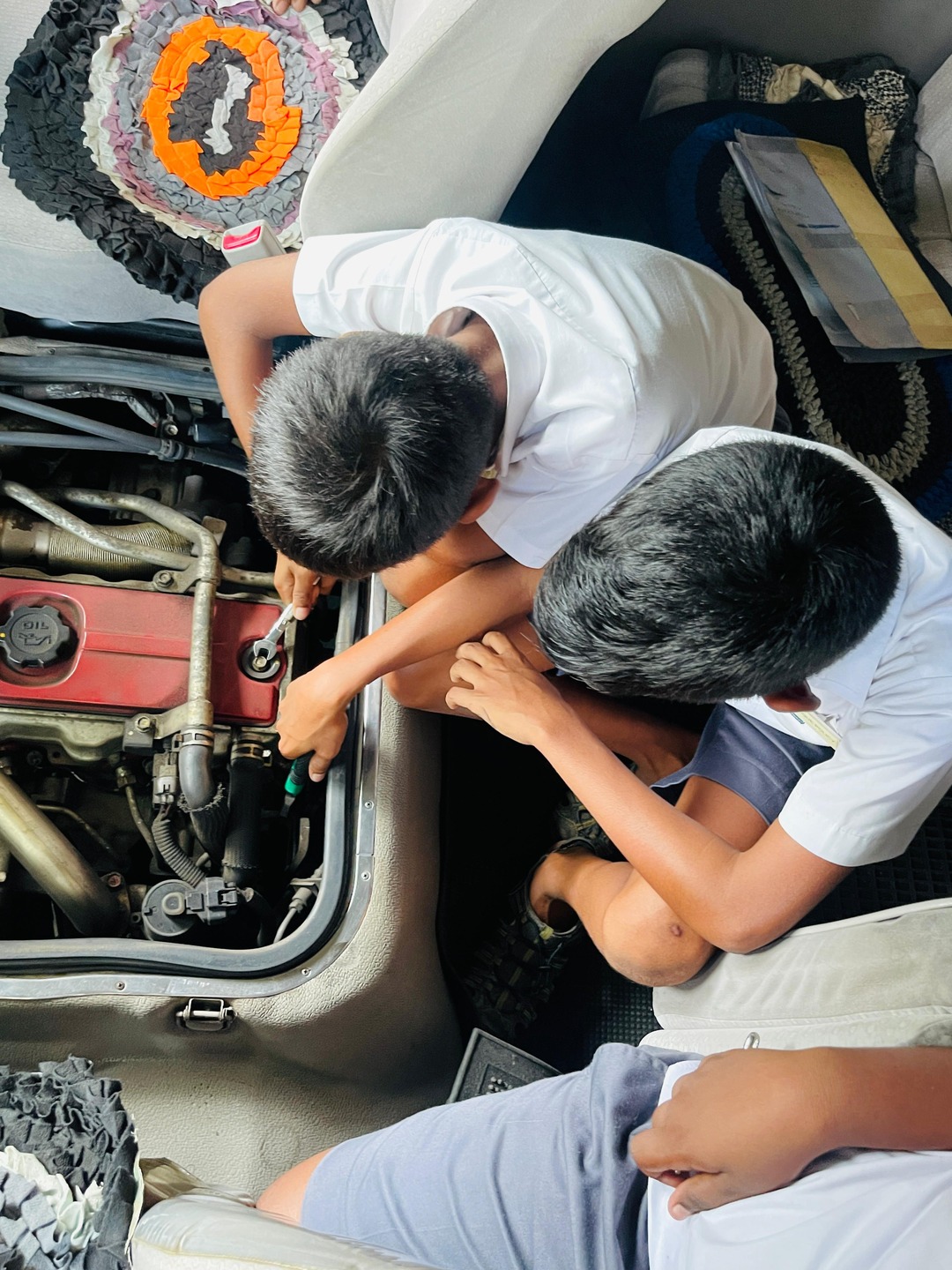
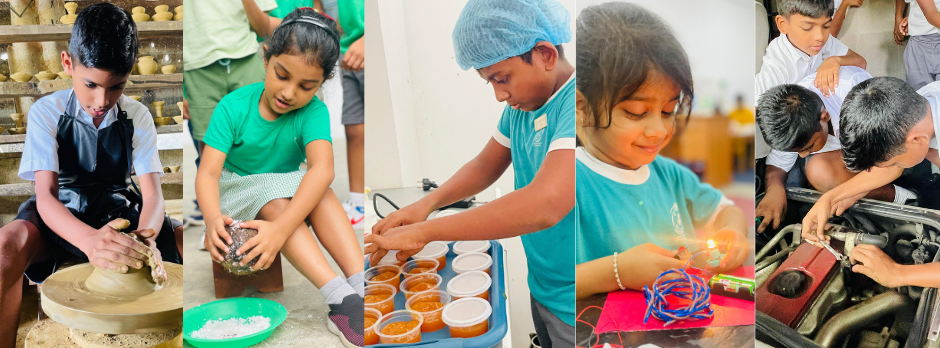
Children learn best when they’re fully involved, not just sitting and listening. That’s why the classroom of the future feels more like a space for exploration, where stories turn into role-playing adventures, numbers come alive through games, and science is something you can touch, mix, and see in action. These experiences don’t just teach lessons; they create moments that stay with children, shaping how they think, solve problems, and express themselves as they grow.
Technology isn’t just about screens and gadgets—it’s about opening doors to new experiences. A simple VR headset can take children on a journey under the sea, while interactive apps help them learn at their own pace. When used thoughtfully, technology doesn’t replace hands-on learning; it adds to it, making lessons more engaging and meaningful. The goal isn’t just to keep up with a digital world but to help children build the confidence to navigate it in a way that feels natural, creative, and full of possibilities.